
In this video lecture, Professor Khaled Musallam discusses:
- How complication profiles differ between non-transfusion-dependent and transfusion-dependent thalassemia.
- The roles of chronic anemia, iron overload, and hypercoagulability in driving morbidity in non-transfusion-dependent thalassemia.
- How transfusion adequacy, iron control, aging, and improved survival shape complications in transfusion-dependent thalassemia.
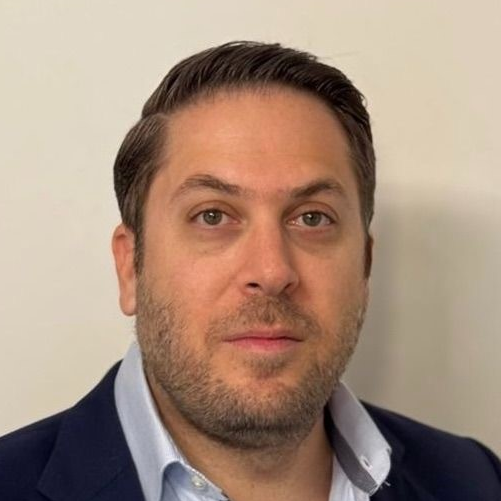
Prof. Khaled Musallam MD PhD is currently the Group Chief Research Officer at Burjeel Holdings in Abu Dhabi, UAE where he founded the clinical research function and operations across the Group’s large hospital network. He is also Deputy CEO and Chief of Cell & Gene Therapy and Hematology, Director of the Thalassemia & Sickle Cell Center, and Founding Director of the Center for Research on Rare Blood Disorder (CR-RBD) at Burjeel Cancer Institute located in the Group’s flagship hospital, Burjeel Medical City. He is also Adjunct Professor at Khalifa University in Abu Dhabi and Adjunct Professor at Weill Cornel Medicine in New York. He has authored over 230 articles on hemoglobin disorders with practice-changing papers in leading international peer-reviewed journals including the New England Journal of Medicine, Lancet, Nature, Blood, among others. His h-index is 66. He is also editor of the Thalassaemia International Federation management guidelines. Prof. Musallam was the recipient of the 2025 European Haematology Association Clinical Excellence Award.
(Video Lecture Summary)
Introduction
Professor Khaled Musallam reviews the complications of thalassemia and the risk factors that contribute to morbidity in non-transfusion-dependent thalassemia (NTDT) and transfusion-dependent thalassemia (TDT). Although conventional terms such as thalassemia major and thalassemia intermedia are still used, classification based on transfusion requirements has become increasingly useful for understanding patient profiles and guiding management.
These categories are dynamic rather than fixed. Some patients initially classified as NTDT may eventually require regular transfusions because of worsening anemia, symptoms, or complications. Professor Musallam describes this transition as phenoconversion.
Complications in Non-Transfusion-Dependent Thalassemia
The morbidity profile of NTDT differs from that historically recognized in regularly transfused patients. Clinical studies have identified complications including thrombosis, pulmonary hypertension, extramedullary hematopoiesis, and leg ulcers, with complication rates increasing as patients age.
Professor Musallam identifies three major pathophysiologic drivers of morbidity in NTDT: chronic anemia, primary iron overload, and hypercoagulability. These mechanisms can interact and contribute to progressive complications over time.
Chronic Anemia and Morbidity
Chronic anemia in NTDT results from ineffective erythropoiesis and hemolysis. Hemoglobin level provides a practical reflection of the severity of this process. Professor Musallam presents data showing a hemoglobin threshold of approximately 10 g/dL, above which patients were relatively protected from complications and below which morbidity became considerably more common. Even a difference of 1 g/dL can be clinically meaningful. Patients with a hemoglobin of 8 g/dL, for example, have greater morbidity risk than those at 9 g/dL. These observations have influenced clinical trials of newer therapies, in which hemoglobin below 10 g/dL has been used to identify patients for treatment and an increase of at least 1 g/dL has served as a therapeutic target.
Extramedullary Hematopoiesis and Leg Ulcers
Extramedullary hematopoiesis reflects the body’s attempt to compensate for ineffective erythropoiesis by expanding blood cell production outside the bone marrow. It may contribute to hepatosplenomegaly or produce pseudotumors in sites such as the pleura and spinal canal. These masses can compress vital structures and may cause serious complications, including neurologic deficits.
Leg ulcers are another troublesome complication of NTDT and can be painful and difficult to heal. Multiple risk factors may contribute, including chronic hypoxia. Professor Musallam notes that clear treatment recommendations remain limited beyond optimizing hemoglobin and the patient’s overall treatment.
Primary Iron Overload in NTDT
Iron overload can develop in NTDT despite the absence of regular transfusions. Ineffective erythropoiesis suppresses hepcidin, increasing intestinal iron absorption and progressively producing systemic iron accumulation. This iron can affect multiple organs, including the liver, endocrine glands, and kidneys. Unlike transfusional iron overload, cardiac iron accumulation is generally not prominent initially in NTDT. Iron may also contribute to vascular disease through endothelial injury and its relationship with the hypercoagulable state.
Iron Thresholds and Complication Risk
The relationship between serum ferritin and total body iron differs between NTDT and TDT because the mechanism of iron accumulation is different. For a given liver iron concentration, patients with NTDT tend to have lower serum ferritin than transfusion-dependent patients.
Professor Musallam identifies serum ferritin above approximately 800 ng/mL and liver iron concentration above 5 mg/g as thresholds associated with increased morbidity. These thresholds have subsequently been used as indications for iron chelation in NTDT. Age and iron accumulation also appear to work synergistically. Older patients with greater iron burden experience more complications than younger patients or those without substantial iron overload.
Combined Effects of Anemia and Iron Overload
Anemia and iron overload together have an especially important effect on outcomes. Patients with both hemoglobin below 10 g/dL and serum ferritin above 800 ng/mL have worse survival than patients with either one or neither of these risk factors.
Professor Musallam also presents data associating control of anemia and iron overload with lower morbidity and mortality. Patients who achieved better control of these two factors experienced fewer complications and improved survival.
Hypercoagulability and Thrombosis
The third major pathophysiologic component in NTDT is hypercoagulability. Hemolyzed red cells can become thrombogenic, while platelet activation and thrombocytosis can further contribute to thrombotic risk. Splenectomy is particularly important in this context.
Adult patients with NTDT who have undergone splenectomy have particularly high rates of thrombotic events. Professor Musallam therefore emphasizes considering adults with NTDT, especially those who are splenectomized, as being at increased thrombotic risk when they undergo medical or surgical interventions.
Silent cerebral infarction has also been observed on MRI in patients with NTDT and may reflect the same underlying hypercoagulable state.
Pulmonary Hypertension
Pulmonary hypertension is a serious complication of NTDT with multiple potential contributing factors, including anemia and hypercoagulability with possible microthrombi in the pulmonary circulation. Even studies using right heart catheterization have identified pulmonary hypertension in approximately 5% of patients with NTDT, with higher rates among older and splenectomized patients.
Professor Musallam highlights the poor prognosis associated with this complication. In one follow-up study, approximately 40% of patients diagnosed with pulmonary hypertension died within nine years. He identifies pulmonary hypertension as an important unmet need, with limited thalassemia-specific evidence available to guide intervention.
Quality of Life and Mortality in NTDT
The accumulation of multiple morbidities has a substantial effect on quality of life. Although patients with NTDT do not experience the same treatment burden as regularly transfused patients, recurrent complications and hospital care can considerably affect their well-being.
NTDT also remains associated with reduced survival compared with the general population. Pulmonary hypertension, thrombosis, and hepatic disease related to iron overload are among the important causes of mortality. Hepatic disease may progress to hepatocellular carcinoma. As survival improves, cancers associated with aging are also becoming more apparent.
Alpha-Thalassemia
Much of the evidence regarding NTDT complications comes from patients with beta-thalassemia intermedia or hemoglobin E/beta-thalassemia, with considerably less evidence available for alpha-thalassemia.
Available studies nevertheless suggest that patients with non-transfusion-dependent hemoglobin H disease experience a broadly similar complication profile. Hemolytic crises are particularly notable in alpha-thalassemia because of differences in the underlying balance between hemolysis and ineffective erythropoiesis.
Complications in Transfusion-Dependent Thalassemia
In TDT, the complication profile depends heavily on the adequacy of treatment. Regular transfusions suppress ineffective erythropoiesis and reduce hemolysis, hypercoagulability, and the increased intestinal iron absorption seen in NTDT. However, transfusions introduce the problem of secondary iron overload.
Professor Musallam describes three broad clinical patterns. Patients who are undertransfused may develop complications resembling NTDT because ineffective erythropoiesis remains inadequately controlled. Patients who receive adequate transfusions but inadequate iron chelation develop complications associated with iron overload, particularly hepatic, cardiac, and endocrine disease. Patients receiving both adequate transfusions and adequate chelation increasingly experience complications associated with aging and the long-term effects of treatment.
Transfusion Adequacy and Iron Burden
Pretransfusion hemoglobin provides an indication of transfusion adequacy. Professor Musallam presents data showing shorter survival among patients with pretransfusion hemoglobin levels below approximately 9 to 9.5 g/dL compared with adequately transfused patients.
There is also a tradeoff associated with higher transfusion requirements. Among patients maintained at favorable hemoglobin levels, greater transfusion exposure produces greater iron burden and can increase morbidity when iron is inadequately controlled. Outcomes therefore depend on achieving both adequate anemia control and adequate iron chelation.
Changing Survival and Complication Patterns
Advances in transfusion and iron chelation have substantially improved survival and reduced complications in TDT. Patients born in more recent decades have better outcomes than those born in earlier eras.
As survival improves, the causes of morbidity and mortality are also changing. Cardiac disease remains important, but its relative contribution has declined. Liver disease, thrombosis, cancer, and other conditions that develop over longer periods are becoming increasingly prominent as the thalassemia population ages.
Liver Disease
Liver disease has become an important complication among aging patients with TDT. Professor Musallam highlights the combined effects of historical hepatitis C infection and iron overload in patients who previously received transfusions.
The clinical spectrum ranges from abnormal liver enzymes to fibrosis and cirrhosis, with a minority of patients progressing to hepatocellular carcinoma. Although effective therapies are now available for hepatitis C, previous viral infection combined with iron overload continues to influence liver disease in older cohorts.
Aging and Emerging Complications
Improved survival means that patients with thalassemia increasingly encounter health risks associated with aging. Some complications primarily reflect increasing age, while others result from the cumulative effects of thalassemia and its treatment.
Renal disease, bone disease, thrombosis, arrhythmias, and other complications may reflect both cumulative disease-related exposures and the increasing baseline risk that accompanies aging. This changing population requires attention to a broader range of long-term health concerns.
Cancer Risk
Professor Musallam discusses whether thalassemia itself increases cancer risk. The clearest association is with hepatocellular carcinoma, which is linked to liver injury from iron overload and hepatitis C and has been reported at substantially higher rates than in the general population.
Beyond hepatocellular carcinoma, available cohort data do not establish a clear association between thalassemia and specific cancers. The increasing frequency of other cancers in thalassemia populations may primarily reflect improved survival and advancing age.
Psychosocial Impact of Longer Survival
The changing natural history of thalassemia also creates new psychosocial considerations. Care that once focused primarily on children and adolescents now increasingly includes adults navigating relationships, family planning, employment, and other aspects of adult life.
Professor Musallam emphasizes that assessment should therefore extend beyond medical complication rates to psychological well-being and the changing psychosocial challenges patients experience as they transition from childhood into adulthood.
Conclusion
Professor Musallam concludes that advances in thalassemia care have substantially improved survival while allowing previously underrecognized complications to become increasingly apparent. In NTDT, chronic anemia, iron overload, and hypercoagulability form a central triad that drives morbidity affecting multiple organ systems.
In TDT, the complication profile is determined largely by treatment adequacy. Effective transfusion therapy controls anemia and ineffective erythropoiesis, while effective iron chelation limits the consequences of transfusional iron overload. As patients live longer, aging and cumulative disease and treatment effects are increasingly shaping the long-term burden of thalassemia.